Developer Interview
How do we protect
Crypto is passing an irreversible turning point — from dubious speculation to social infrastructure. In Japan, legislation for stablecoins has advanced ahead of the rest of the world, and inter-company settlement and smart contract deployment have become a reality.
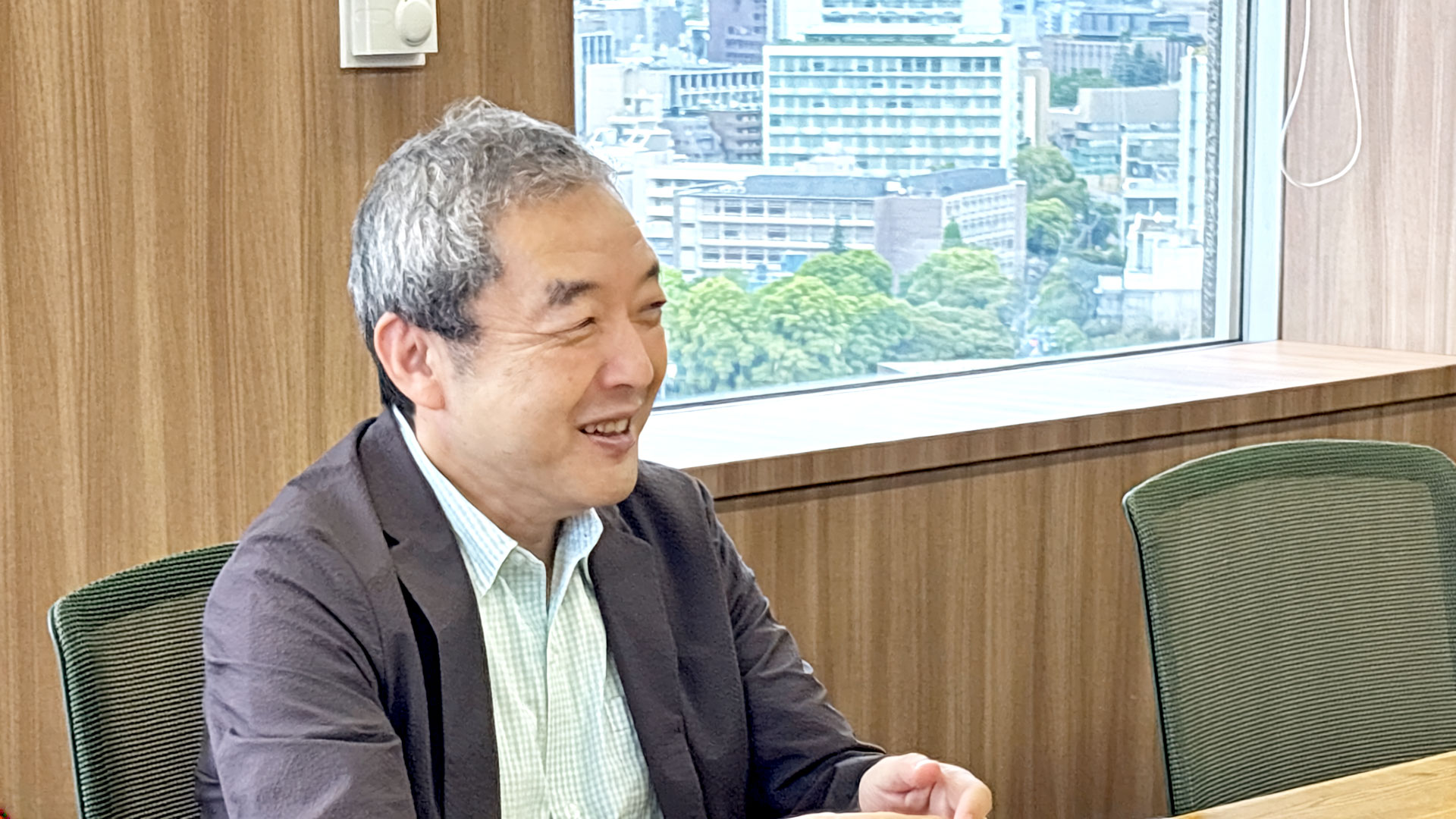
And now, as an era in which AI agents conduct economic activity autonomously is about to begin, we spoke with Kazunori Asada — who leads development of Openloop, a serious crypto wallet and signer developed in Japan — about the new threats we face and what true self-custody should look like.
"Since the collapse of FTX in 2022, the principle that whoever holds the private key is the true owner has carried unprecedented weight. Stablecoins whose value is pegged to fiat currencies — USDC, USDT, and JPYC for the Japanese yen — have entered their adoption phase, and blockchain is transforming into infrastructure that carries everyday payments and corporate transactions. This shift will accelerate, and within a few years we will find ourselves in a world where stablecoins are used as a matter of course, everywhere."
"Before stablecoins appeared, cryptocurrency was a volatile thing, and nearly everyone trading it did so for speculative purposes. But blockchain — one of the great inventions of our age — renews the very concept of trust and makes a decentralised system possible. It is a technology that treats everyone equally, and it has nothing inherently to do with speculation. With stablecoins, the speculative side of cryptocurrency and the side that makes the world safer and more convenient through blockchain technology were finally separated. Ten years from now, USDC will still be one dollar and JPYC will still be one yen — no rises, no falls. That lets you use blockchain purely for everyday payments and all sorts of other purposes. It permeates society and grows into infrastructure," says Asada.
"And yet the hardware wallet market — the gateway to that infrastructure — is dominated by overseas products. The reassurance of domestic development and support in Japanese are overwhelmingly lacking, and many people hesitate to use one at all. We became firmly convinced that what is needed is not merely an alternative to foreign products, but a domestically made crypto wallet that can serve as the foundation of Japan's Web3 infrastructure — one that corporate finance departments and government agencies can adopt with confidence."
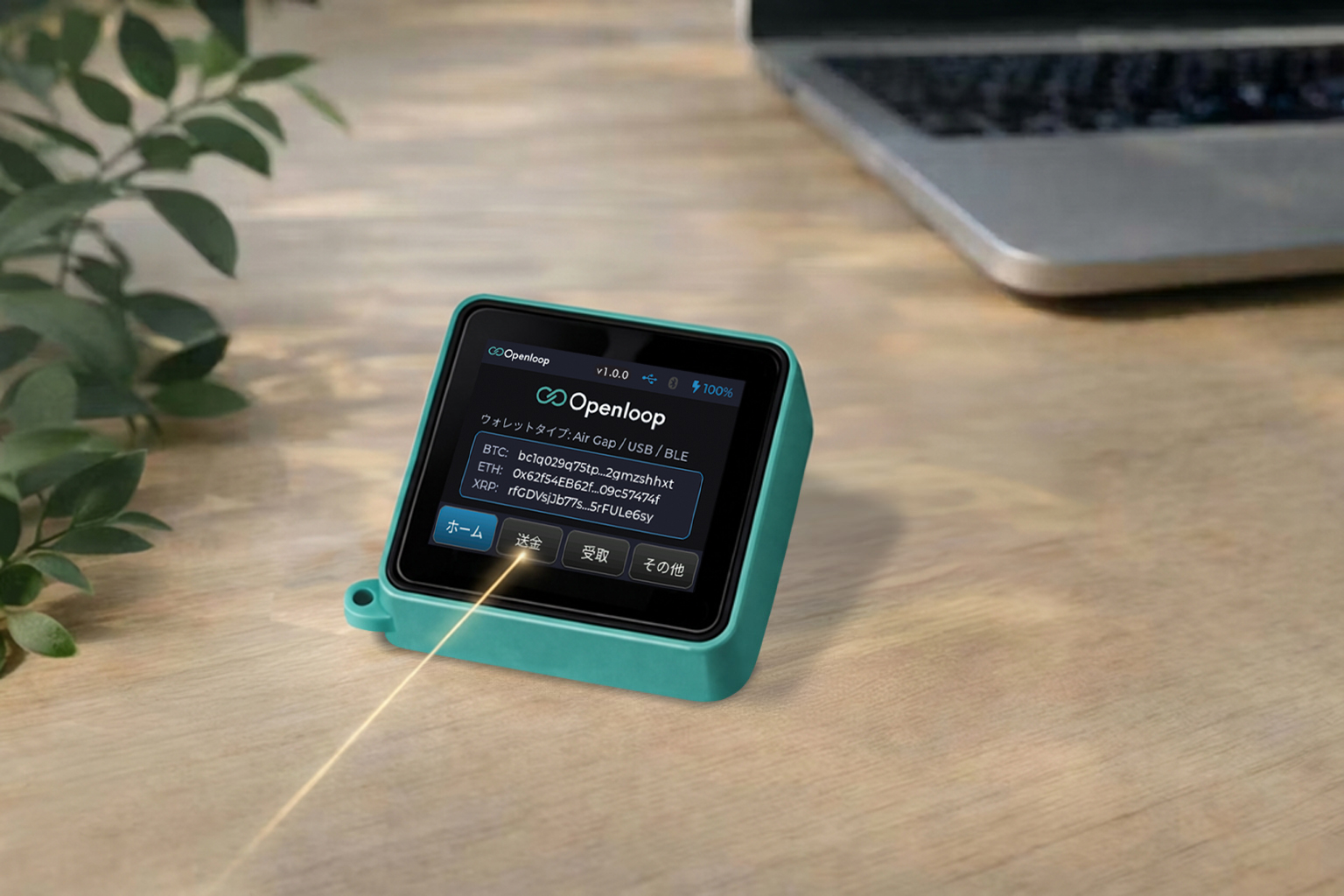
The greatest threat to a wallet is remote hacking over the internet. Software wallets on PCs and smartphones are permanently exposed to malware and phishing. Once large settlements such as inter-company transactions are made in cryptocurrency, a hardware wallet becomes indispensable.
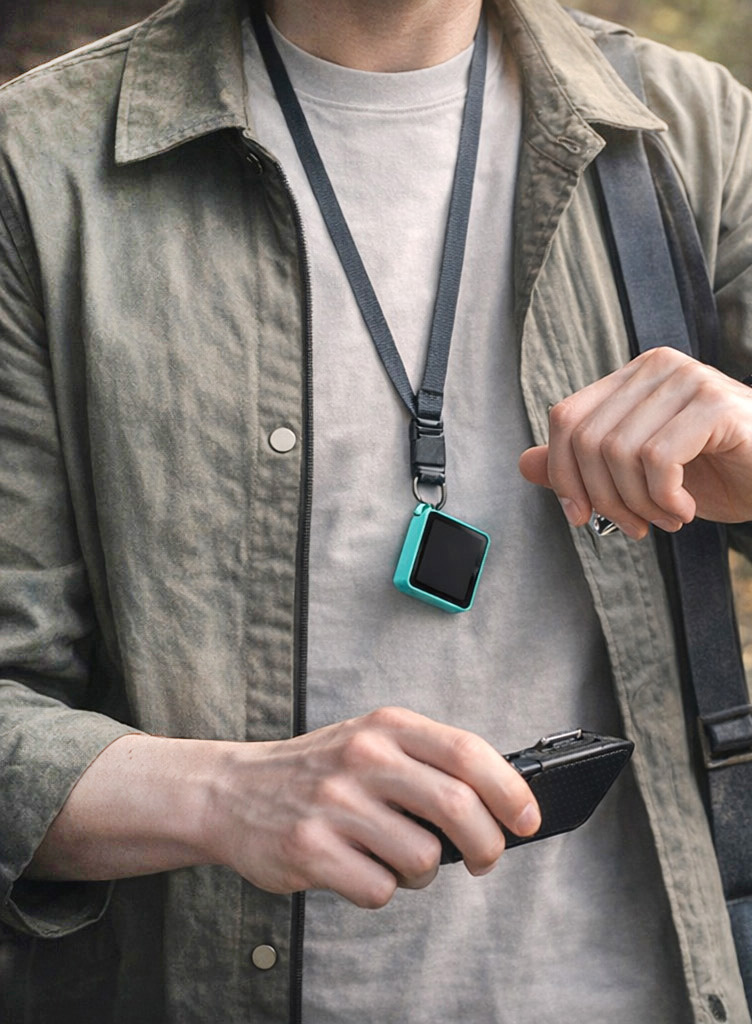
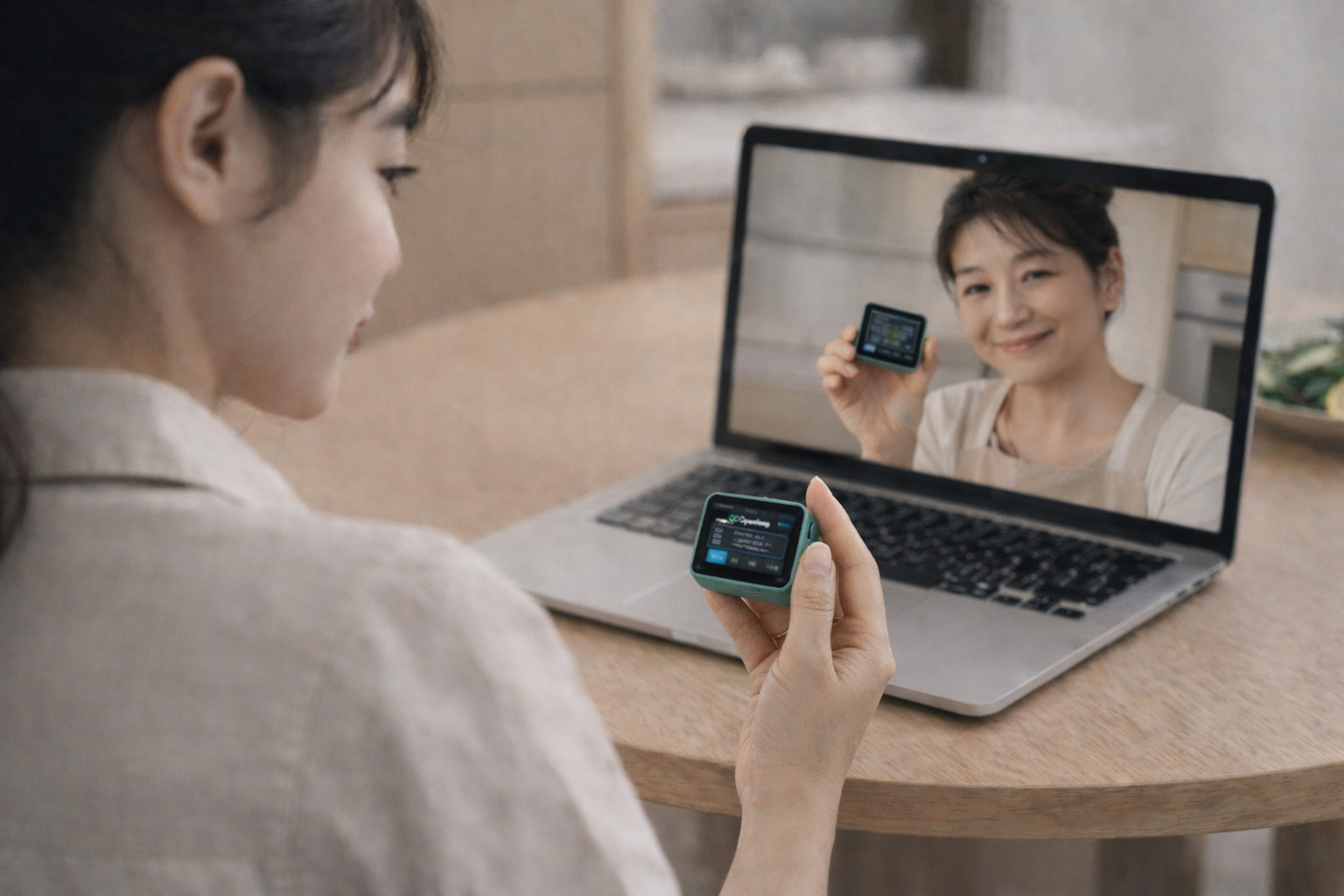
"Aren't you uneasy about leaving the crypto you bought sitting on an exchange? Setting aside whether that exchange is trustworthy, entrusting your assets to someone else carries risk. You might think you should simply keep your crypto inside your own PC or smartphone — but those are connected to the internet. There is no guarantee they will not be hacked. Openloop is never connected to the internet. You connect it physically to a PC by cable only when you use it, or pair it in advance with a single smartphone. And the final signature can only be executed after you have checked it on Openloop's own screen. Unless you press the approve button on that screen, signing and sending are absolutely impossible. For those who are wary even of USB or BLE, we support an Air Gap mode: signing is completed purely by reading and displaying animated QR codes with the camera and the display. Inside, it carries the NXP SE050 secure element, certified to EAL6+ — beyond financial grade. We also adopted our own DualSecure Architecture, in which keys are exchanged between the main CPU and the secure memory inside the secure element, giving the crypto seed protection even against physical attacks."
"We have reached an age where, the moment you feel like taking a trip, you can ask an AI and it will arrange the flights, the hotel and the bookings for you. AI can handle the payment too — but would you hand over your credit card number? And it isn't only travel arrangements: give AI broad access rights and payment authority in software, and unintended spending or asset outflows can easily occur through prompt injection and the like."
"The function by which AI proposes autonomously and the function by which a human grants permission to execute should be clearly separated. We need a clear line: up to here, AI may act on its own judgement; beyond this point, my approval is required. Whether or not an 'OK' button on a screen was pressed is a matter of agreement between the two parties, and agreements are not always kept. What matters is building in a mechanism that makes execution cryptographically impossible without approval. No matter how clever AI becomes, the final decision to move assets is made by a human, on a physical device — that is Openloop's design philosophy."
"It may already be outdated to call Openloop a hardware wallet. From here on it should be called a crypto signer. Openloop works not only in finance (DeFi) but across all kinds of blockchain applications — voting in decentralised autonomous organisations (DAOs), concluding contracts (smart contracts), trading non-fungible tokens (NFTs) and more. Built on solid, domestically developed technology, Openloop is evolving into the approval device — the signer — that connects humans and AI."
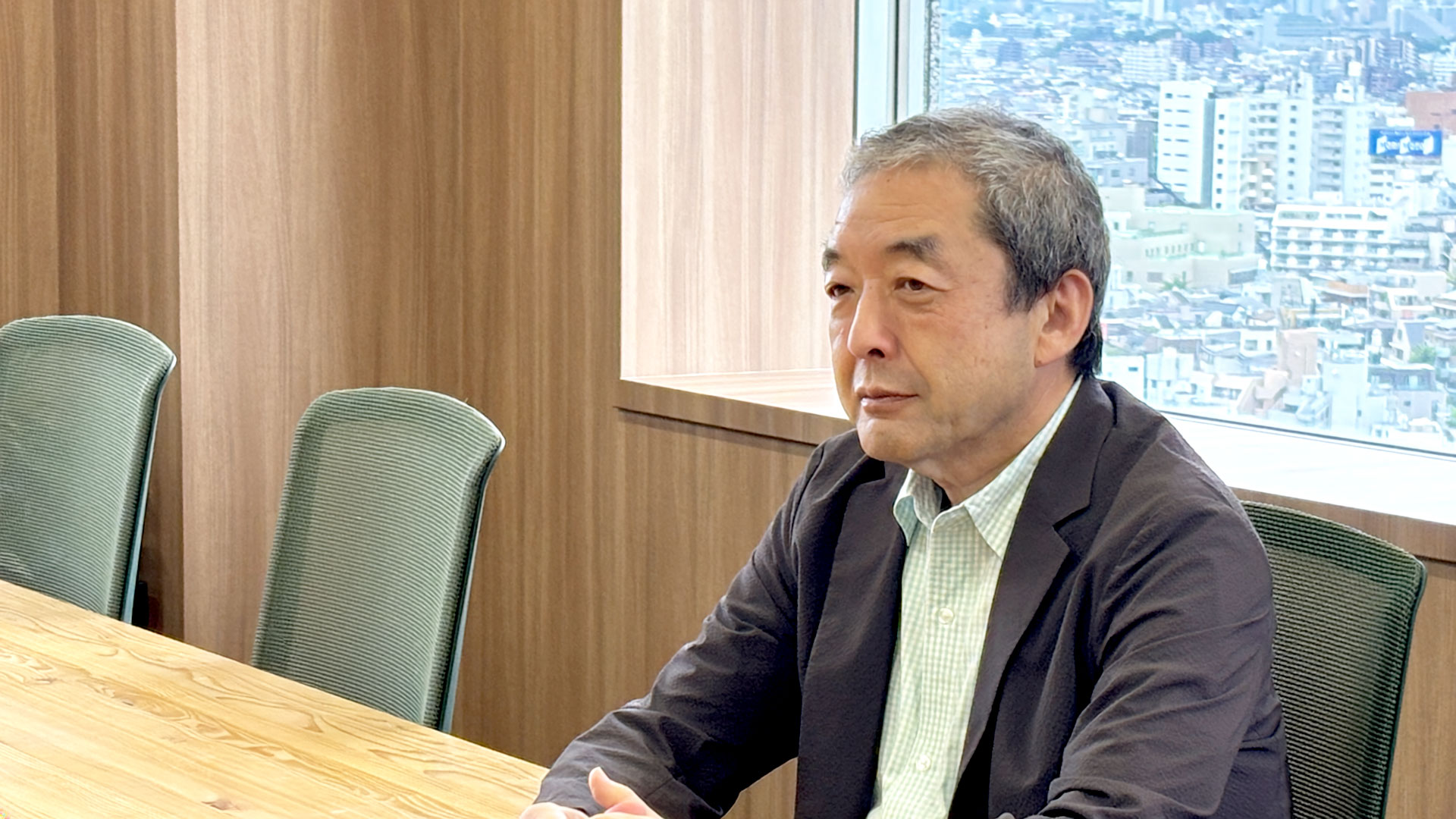


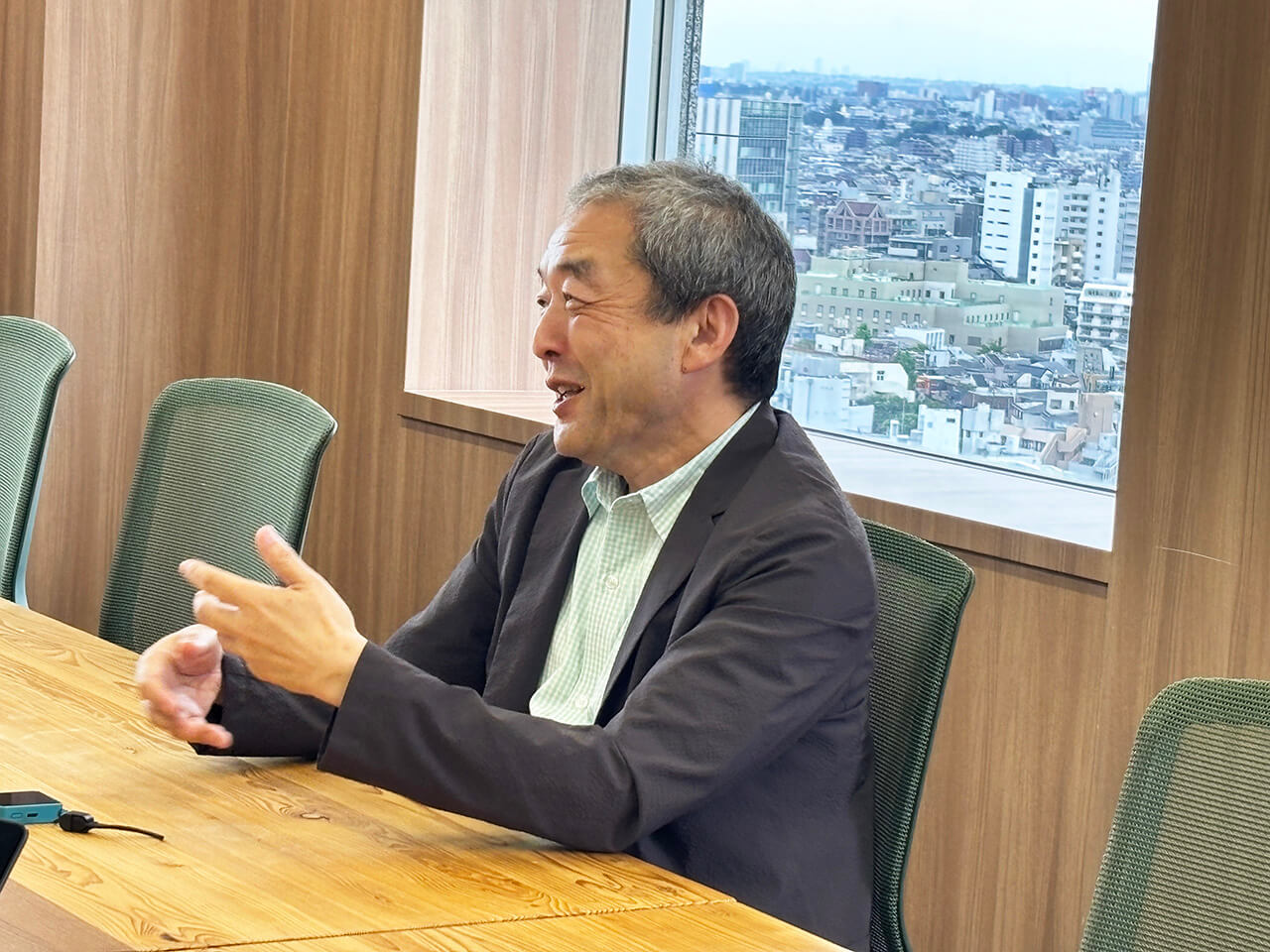
In 1997 I founded Open Loop Inc., a company specialising in information security and cryptography, and took it public in 2001. Today a market incomparably larger than the one back then is emerging, and the importance of this field keeps growing. Because I have stood on the front line since the dawn of the internet, as a security specialist and developer, I place weight on judgements grounded not only in theory but in the realities of implementation and operation.
President & CEO
Kazunori Asada
PhD in Medicine and PhD in Media Design. Former president of a publicly listed company. An engineer with deep expertise across information and communications, cryptography and medicine, and a serial entrepreneur who also runs businesses. He is an angel investor who has personally backed more than twenty startups in Japan and abroad. Alongside his work in business, he carries out public-service activities such as offering free helper apps for people with colour vision difficulties and donating primary schools overseas.